




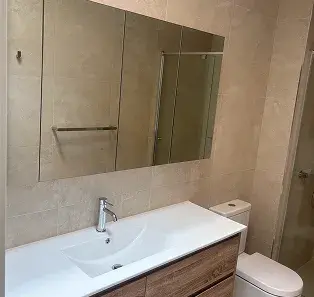
What the Homeowner Noticed
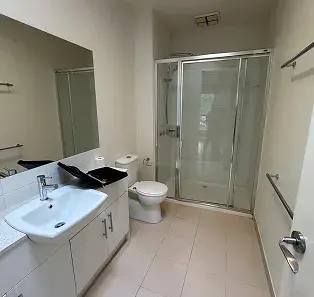
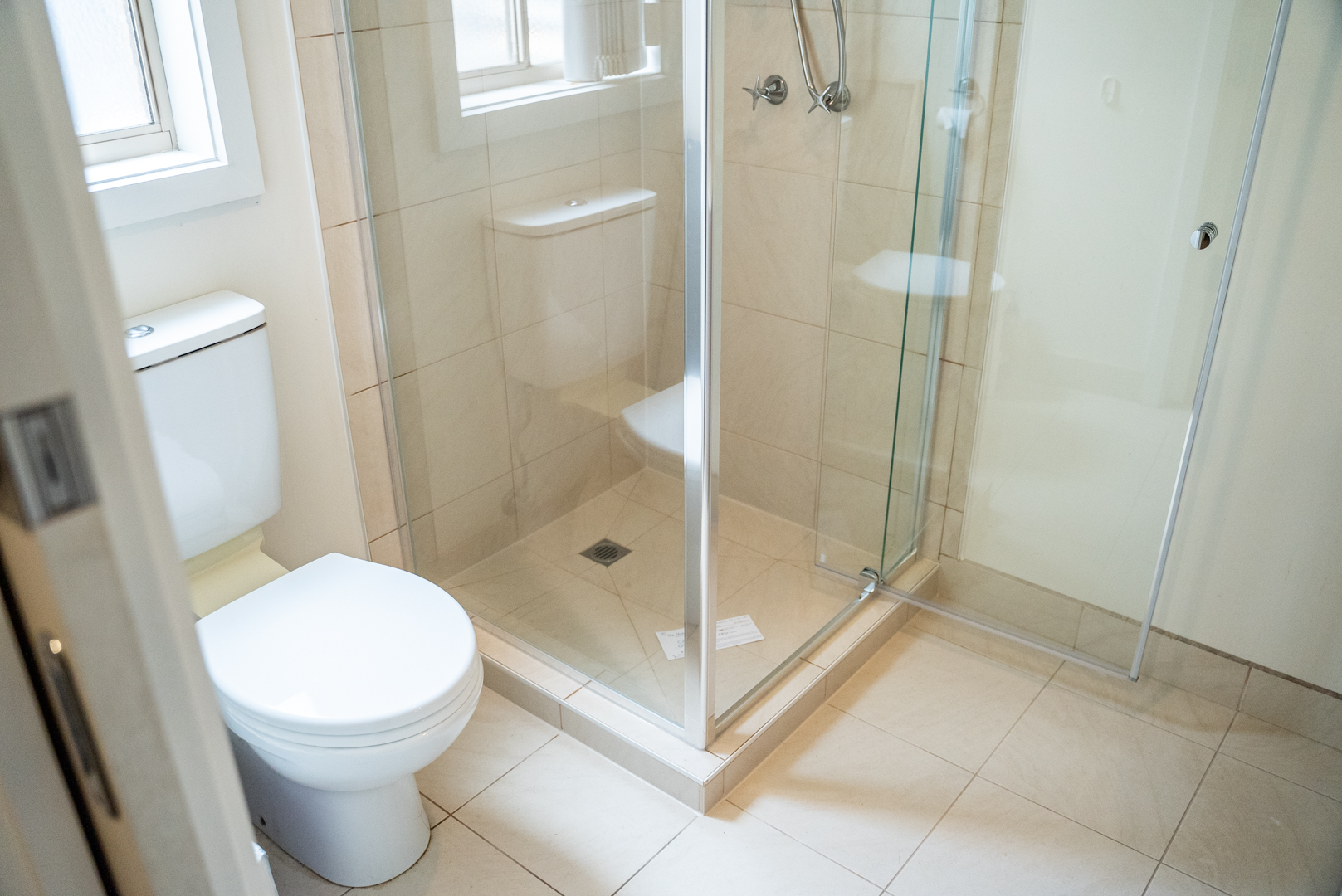
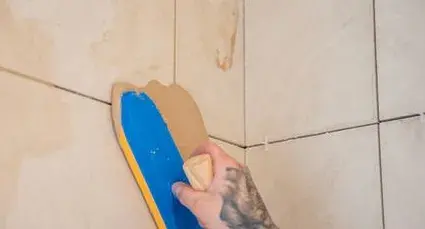
The Ringwood residents initially dismissed a few cracked grout lines as normal ageing, but the symptoms quickly escalated.
The carpet in the adjoining bedroom, along the shower wall, began to feel heavy and cold to the touch — a strong indicator of ongoing moisture ingress. A persistent damp, earthy odour developed and lingered despite regular cleaning and ventilation, suggesting moisture was trapped within the structure.
Over time, visible damage appeared in the hallway, with skirting boards swelling and paint beginning to peel, indicating water was migrating through the wall cavity rather than remaining confined to the bathroom.
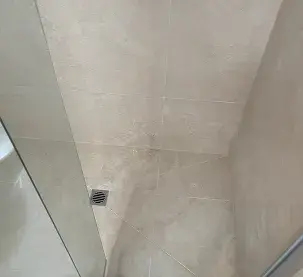
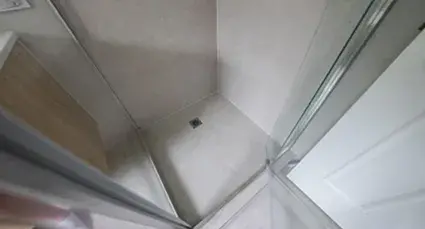
Underfoot, several shower floor tiles developed a spongy feel, pointing to deterioration of the substrate below and a loss of structural integrity.
What We Found Once The Shower Was Stripped Back
Once the tiles and wall linings were removed, it was clear the internal waterproofing system had completely failed.
In many Ringwood homes of this era, the "liquid membrane" used has reached its 20-25 year lifespan and become brittle, or in some cases, was never applied to the wall-to-floor junctions at all.
We discovered that the water was bypassing the waste and saturating the mortar bed (screed). Because there was no functional puddle flange or compliant perimeter seal, the entire shower base was acting like a sponge, holding litres of stagnant water that was slowly wicking into the pine wall studs.
This was a clear breach of AS 3740 standards, which require a continuous, impervious barrier to protect the building's structural elements.
Why the Leak Happened
The leak was caused by a combination of age-related degradation and non-compliant original construction methods. The original waterproof membrane had cracked at the stress points where the wall meets the floor. Furthermore, the shower was built without a modern puddle flange, meaning any water that seeped through the grout had no way to drain into the waste pipe, leading to "sub-surface ponding." Over time, this trapped moisture rotted the timber plates and saturated the plasterboard, allowing water to escape into the adjoining bedroom.


Why Free Quotes Cost More in the Long Run
Free quotes and quick resealing jobs only cover up a failed shower. This homeowner could easily have been sold another temporary patch like a regrout or silicone touch-up, which would have trapped moisture and worsened the rot.
What to Expect During Your $159 Shower Assessment

Our Recommended Fix
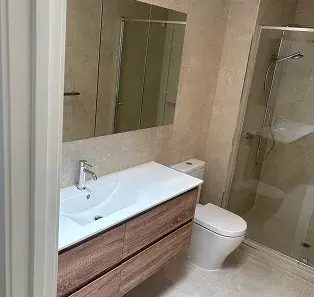
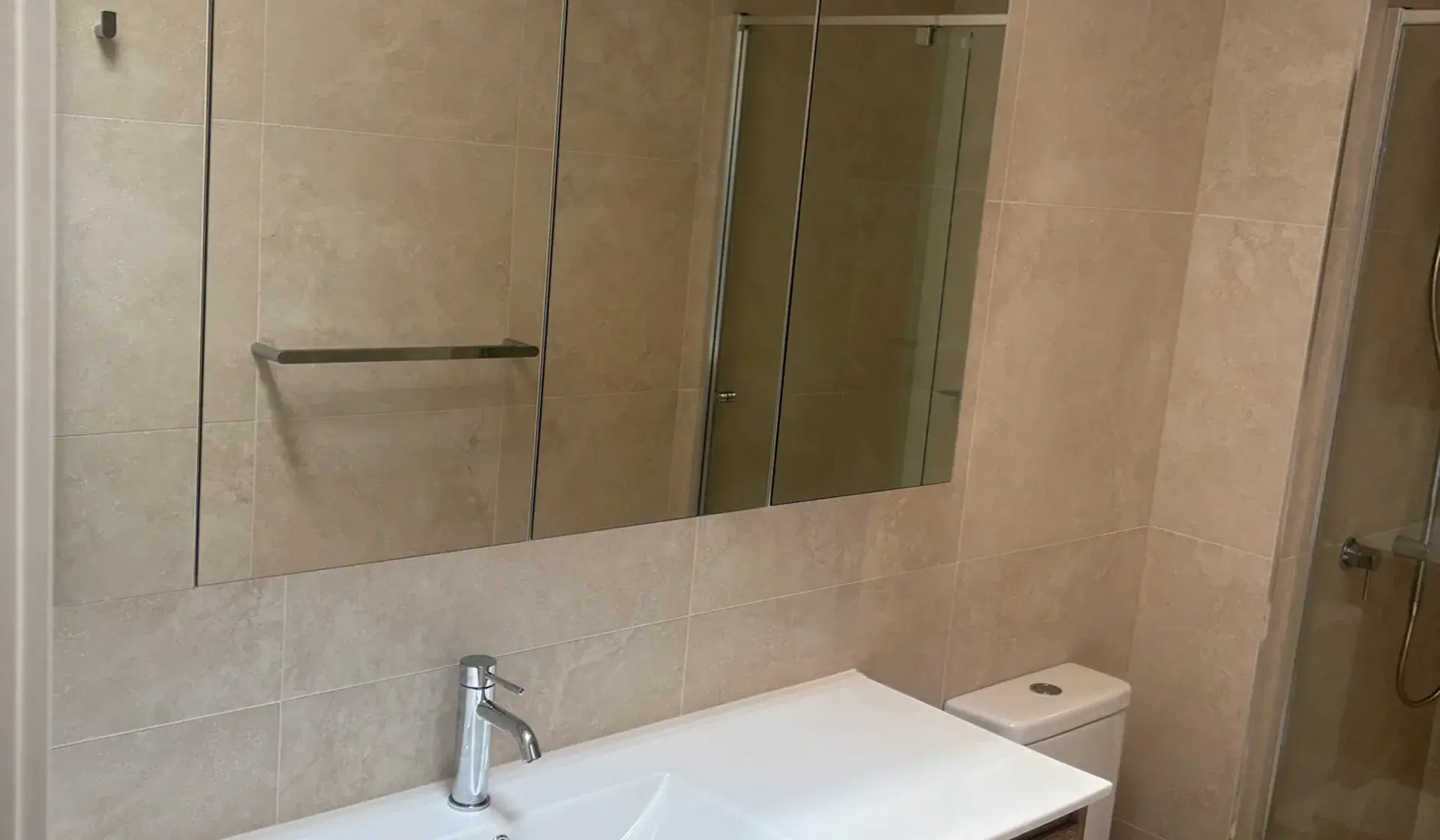
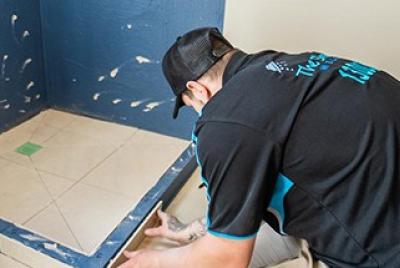
To provide a permanent, warranted solution, we recommended a "Strip and Rebuild" of the shower area to bring the wet area up to current National Construction Code (NCC) requirements.
Scope Included:
- Full demolition of the existing shower alcove, removing all compromised tiles and saturated plasterboard.
- Structural repairs to the rotted timber wall studs and floor joists.
- Installation of new, moisture-stable James Hardie Villaboard wall lining.
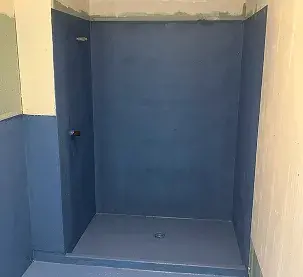
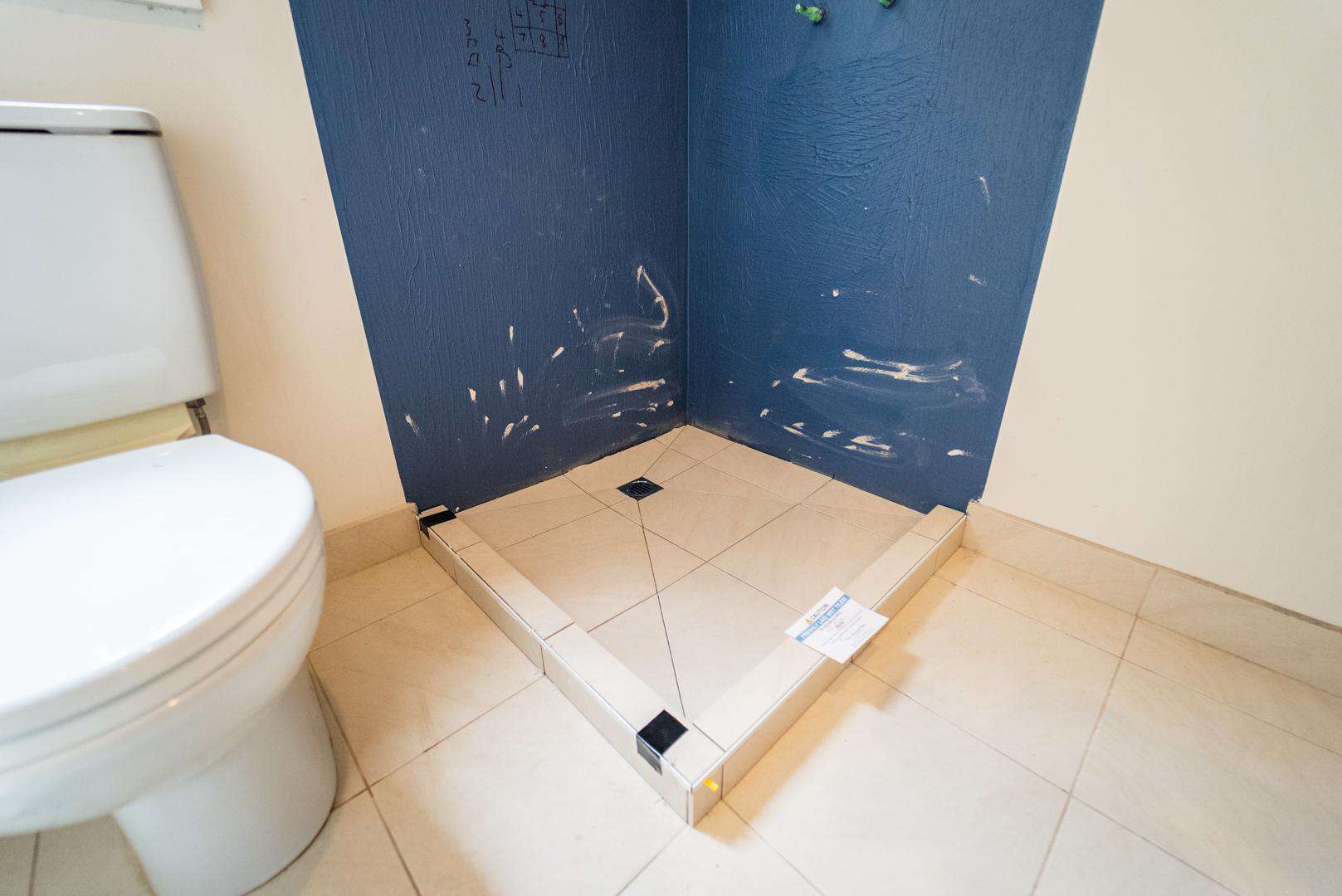
- Installation of a triple-layered waterproofing system, including bond breakers at all junctions as per AS 3740.
- New screed with correct falls to a modern puddle flange.
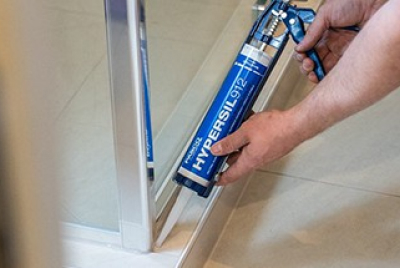
- Precision tiling and epoxy grouting for maximum durability.
- Full certification and a 100-year "Take It To Your Grave" warranty on the workmanship.
What to Expect During Your $159 Shower Assessment
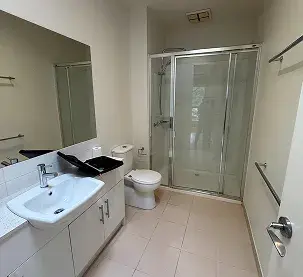
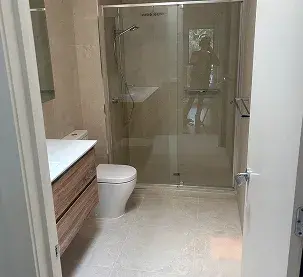
Before & After – Shower Rebuild


Is Your Shower Leaking?
The Homeowner’s Experience




I highly recommend The Shower Man Melbourne. We needed a full bathroom remodel and even during COVID-19 restrictions, the team were highly professional, incredibly responsive, good communicators and worked hard to meet our needs. They were fantastic, and I would not hesitate to use them again.
Melissa Bloomer

Professional high quality service from quote to planning to buildout. No short cuts. Very pleased, will hire again in future if I need more bathroom work done.
Robert Prije

If I could give them more than 5 stars, I would. Could not ask for more – all of the team over-performed from start to finish, and completely replaced our tired leaky old shower on time and on budget. I’m recommending The Shower Man to everyone I know.
Fiona Mowat
Why Homeowners Choose The Shower Man
10-YEAR WATERPROOFING WARRANTY
We rebuild failed showers properly, so we stand behind them for 10 years.
LEAKING SHOWER & REBUILD SPECIALISTS
We don’t regrout, reseal or patch. We rebuild failed showers with new, AS 3740 compliant waterproofing.
15+ YEARS, 3,000+ SHOWERS REBUILT
Our in-house team has specialised in failed showers across Melbourne for over 15 years.
FAMILY-OWNED, PAKENHAM BASED
A local family business with a showroom at 7A Exchange Drive, Pakenham.
8-POINT QUALITY INSPECTION GUARANTEE
Every rebuild is checked against our 8-point quality standard before handover.
Areas We Service Near
The Shower Man Melbourne services the entire Officer growth corridor and surrounding estates.
 Ringwood East
- Croydon
- Bedford Road District
- Heathmont
- Ringwood North
- Frankston
- Mitcham
- Vermont
- Croydon South
- Wantirna
- Warranwood
- Cranbourne
Explore Related Services
Shower Assessment & Rectification Quote
Shower Rebuilds & Waterproofing
Bathroom Renovations
Shower Assessment & Rectification Quote



 7A Exchange Drive, Pakenham 3810
 1300 287 188


